
'In the short term, we may see some disruptions due to Covid, but in the medium-to-long term, we should keep an eye on US inflation and 10-year bond yields.'

RBI Governor Raghuram Rajan on Friday said keeping inflation low is the key task for sustainable economic growth of the country.

Sectorally, metal and banking stocks rallied the most, while FMCG and realty stocks came under selling pressure.

'It was because of the huge selloff in the Indian equities that the rupee fell so sharply against the dollar on Friday.'

Kejriwal's centralised way of governance might work in Delhi, but Punjab will call for delegation, observes Sanjeev Nayyar.
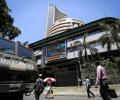
Bank Nifty pared all its intraday gains to end over 1% lower led by losses in BoB, ICICI Bank, Axis Bank and Bank of India

Deposit rates for non-resident Indians may rise following Tuesday's rate hike by the US central bank Federal Reserve and due to the impact of forthcoming India Millennium Deposit redemptions worth over $7 billion, bankers said on Wednesday.

The central bank operationalised these special windows on September 4 to prop the rupee which had fallen close to 30 per cent between April and August.

Besides law and order, the long standing demand for junking Armed Forces (Special Powers) Act, economic woes of the land-locked state which has hardly any industries, are expected to figure high on the agenda of the unfolding electoral battle between the two main parties with smaller local parties such as National People's Party and the Naga People's Front chipping in with their own demands.

The flawed response to the crisis has fed a us-vs-them mentality in which the banker, the expert, the coastal entrepreneur, the immigrant, the foreigner are all villains. The crisis was not that much of a problem; the response -- the over-reaction, the sovereign debt build-up and the lasting anger -- is the problem, says Mihir S Sharma.

History would indicate that a recession is not that far off.

The market breadth has turned sharply positive since May amid hopes that a decline in Covid-19 infections will lead to a revival in the economy. At 3.8, the advance-decline ratio (ADR) for May was the best since June 2020. So far this month, the ratio has remained above three - in simpler words, for every declining stock, there were nearly four advancing stocks in May and three this month. ADR is a popular market breadth indicator, with a ratio of more than two signalling an extremely bullish undercurrent.
